
Home » BVC Butterfly Valves » Stainless Steel Butterfly Valves for Industrial Flow Control
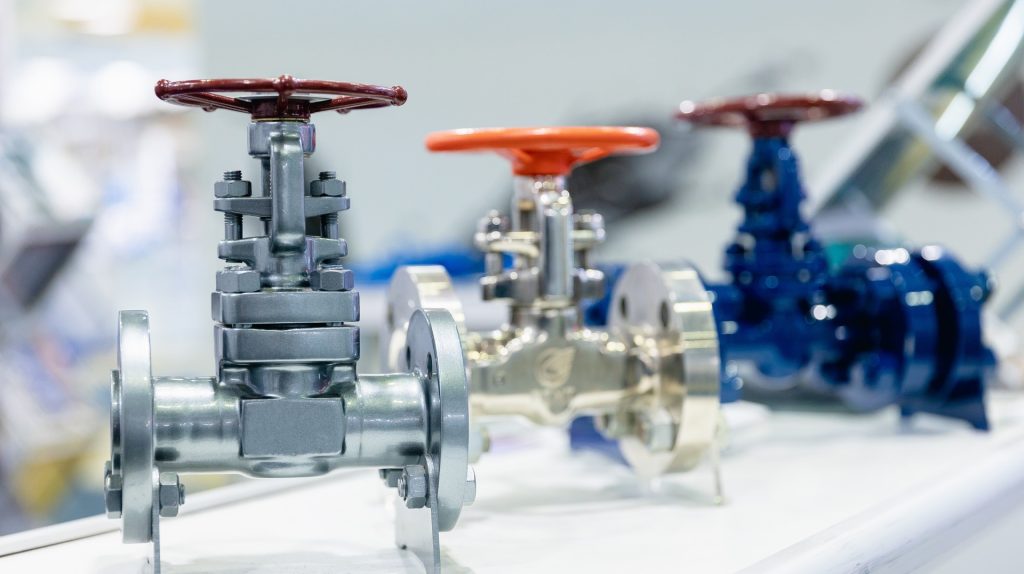
Stainless steel butterfly valves are quarter-turn industrial valves used to isolate or modulate flow in piping systems where corrosion resistance, compact installation, low operating torque, and reliable shutoff are required. They are commonly used in water treatment, chemical handling, washdown environments, process skids, utilities, OEM equipment, and general industrial flow control systems.
For BPC, stainless steel butterfly valves fit within a broader valve and flow control offering that may also include valve automation, flowmeters, check valves, ball valves, and system-level process instrumentation.
A stainless steel butterfly valve uses a rotating disc mounted on a shaft to control flow through a pipeline. When the disc is parallel to the flow path, the valve is open. When the disc rotates 90 degrees across the pipe bore, the valve closes against the seat.
The term “stainless steel butterfly valve” may refer to several configurations:
This distinction matters because chemical compatibility, corrosion resistance, temperature capability, pressure rating, and cleanability depend on the full material stack, not the body material alone.
BPC offers stainless steel butterfly valve options including VF730 wafer butterfly valve stainless steel and VF733 lugged butterfly valves stainless steel configurations for industrial applications.
Stainless steel butterfly valves operate through a simple quarter-turn motion. The actuator, handle, gearbox, or automation package rotates the valve stem, which turns the disc inside the valve body.
In the open position, the disc aligns with the flow path to reduce restriction. In the closed position, the disc compresses against the valve seat to create shutoff. Intermediate disc positions can be used for throttling in certain applications, although throttling performance depends on valve design, pressure drop, flow velocity, seat material, and control requirements.
Common actuation methods include:
For automated systems, stainless steel butterfly valves can be integrated with BPC’s actuators to support remote operation, process sequencing, equipment protection, and control panel integration.
Stainless steel butterfly valves are selected when the process environment requires better corrosion resistance, durability, or cleanliness than painted iron, ductile iron, aluminum, or general-purpose valve materials can provide.
They are especially useful where the valve may be exposed to:
Compared with many full-port ball valves, butterfly valves are compact and lighter in larger pipe sizes. Compared with gate valves, they typically provide faster operation, reduced installation space, and easier automation.
Corrosion Resistance
Stainless steel improves resistance to atmospheric corrosion, washdown exposure, and many process fluids. The correct grade, such as 304 or 316 stainless steel, should be selected based on the media, chloride exposure, cleaning chemistry, and operating environment.
Compact Installation
Butterfly valves require less face-to-face space than many linear-motion valve designs. Wafer and lugged designs are commonly used where compact valve placement is important.
Fast Quarter-Turn Operation
A 90-degree rotation moves the valve from open to closed. This makes butterfly valves practical for manual isolation and well suited for pneumatic or electric automation.
Lower Weight in Larger Sizes
For medium and larger pipe diameters, butterfly valves are often lighter than ball valves, gate valves, and globe valves of comparable line size. Lower weight can simplify installation, reduce pipe support demands, and improve maintainability.
Automation Compatibility
Butterfly valves can be configured with pneumatic or electric actuators, limit switches, solenoid valves, positioners, and manual override options. This allows the valve to function as part of a larger automated flow control system.
Broad Industrial Use
Stainless steel butterfly valves are used across water, wastewater, chemical, OEM, utility, food and beverage, industrial process, and general manufacturing applications.
The two most common body styles are wafer and lugged.
| Feature | Wafer Butterfly Valve | Lugged Butterfly Valve |
|---|---|---|
| Installation | Clamped between pipe flanges | Bolted to flanges using threaded lugs |
| Typical Use | General isolation where the valve stays between flanges | Applications where downstream piping may need to be removed |
| Weight | Usually lighter | Usually heavier |
| Maintenance Access | Requires flange support during removal | Can support dead-end or single-side service when rated for it |
| Common Selection Driver | Compact, economical installation | Serviceability and piping flexibility |
A wafer butterfly valve is often used for compact in-line isolation. A lugged butterfly valve is commonly selected where maintenance teams may need to remove one side of the piping and beverage, industrial process, and general manufacturing applications.
Wafer vs. Lug or isolate a section of line.
Butterfly Valves vs. Ball Valves
Ball valves provide full-bore flow and strong shutoff performance, especially in smaller sizes. Stainless steel butterfly valves are often more compact and cost-effective in larger line sizes, particularly where space and weight matter.
Butterfly Valves vs. Gate Valves
Gate valves are typically used for full-open or full-closed service but operate more slowly and require more installation height. Butterfly valves provide faster operation and easier automation.
Butterfly Valves vs. Pinch Valves
Pinch valves are often preferred for abrasive slurries, powders, and difficult media where a flexible sleeve can isolate the valve body from the process. Stainless steel butterfly valves are generally better suited for clean liquids, utilities, chemicals, washdown environments, and compact automated piping systems.
Butterfly Valves vs. Check Valves
Butterfly valves actively open and close to control or isolate flow. Check valves are passive devices used to prevent reverse flow. Many systems use both technologies together to support isolation, flow direction control, and equipment protection.
Stainless steel butterfly valves are used in:
Where flow verification is required, butterfly valves may be paired with BPC’s flow meters to monitor process output, confirm batch volumes, verify pump performance, or provide data to automation systems.
A stainless steel butterfly valve can be more than an isolation component. When paired with an actuator, solenoid valve, position feedback device, and control system, it becomes part of a complete flow control package.
Automated stainless steel butterfly valves are commonly used for:
For corrosive or wet environments, stainless steel valve construction can be especially valuable when combined with appropriate actuator enclosure ratings, corrosion-resistant mounting hardware, and properly selected electrical accessories.
A stainless steel butterfly valve is a quarter-turn valve that uses a rotating disc to open, close, or regulate flow. Stainless steel construction improves corrosion resistance and durability in industrial, chemical, utility, and washdown environments.
Stainless steel butterfly valves can be suitable for many chemical applications, but the full material construction must be checked. The body, disc, stem, seat, seals, and actuator accessories must all be compatible with the media, temperature, and cleaning process.
A wafer butterfly valve is clamped between two pipe flanges. A lugged butterfly valve has threaded lugs that allow it to be bolted to flanges and may support more flexible maintenance arrangements, depending on pressure rating and service conditions.
Yes. Stainless steel butterfly valves can be automated with pneumatic or electric actuators. Automation packages may include solenoid valves, limit switches, position indicators, positioners, and manual override options.
Butterfly valves can be used for throttling in some applications, but they should be selected carefully. Disc position, pressure drop, fluid velocity, cavitation risk, seat wear, and control accuracy must be evaluated before using a butterfly valve as a control valve.
A stainless steel butterfly valve may not be the best choice for highly abrasive slurries, severe throttling, high-pressure drop control, or applications where the disc obstructing the flow path creates unacceptable process issues. In these cases, another valve type may provide better performance.
Stainless steel butterfly valves provide compact, durable, corrosion-resistant flow control for industrial piping systems. Their quarter-turn operation, automation compatibility, and broad material options make them a practical choice for water, chemical, utility, OEM, and process applications.
Correct selection requires more than choosing stainless steel construction. Engineers and maintenance teams should evaluate the body, disc, stem, seat, pressure rating, temperature range, flange style, operating torque, actuator requirements, and system-level control objectives.
For application guidance, review BPC’s valve bodies or request a quote for help selecting the correct stainless steel butterfly valve, actuator package, or integrated flow control solution.