
Home » BVC Butterfly Valves » Pneumatic Butterfly Valves
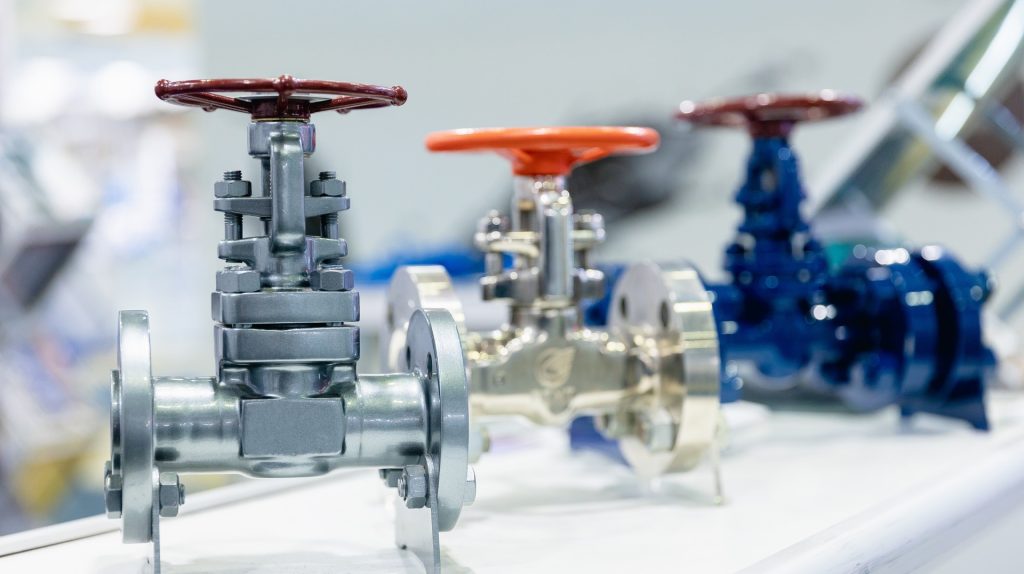
Pneumatic butterfly valves are quarter-turn flow control valves that use compressed air to open, close, or modulate a butterfly valve disc. In industrial process systems, they are commonly used where fast actuation, reliable shutoff, compact installation, and integration with plant air systems are required. For engineers, operators, OEMs, and maintenance teams, the correct pneumatic butterfly valve package depends on valve body design, seat material, disc material, actuator sizing, air supply, fail-safe position, and the control requirements of the process.
BPC supports pneumatic butterfly valve selection as part of a broader industrial flow control offering that includes butterfly valve bodies, pneumatic and electric actuators, flowmeters, and integrated valve automation packages.
Pneumatic butterfly valves combine a butterfly valve body with a pneumatic actuator. The valve body contains a rotating disc mounted on a shaft. When the actuator receives compressed air, it rotates the shaft, moving the disc between open and closed positions or to an intermediate throttling position when the assembly is configured for control service.
A pneumatic butterfly valve is typically used for:
Unlike manually operated butterfly valves, pneumatic butterfly valves can be operated remotely through solenoid valves, positioners, limit switches, control panels, PLCs, or distributed control systems.
A pneumatic butterfly valve uses compressed air to create rotary motion. In most industrial packages, the actuator is mounted directly to the valve stem through a standardized mounting interface. When air enters the actuator, internal pistons or vanes generate torque, rotating the valve stem and disc.
Double-Acting Pneumatic Actuators
A double-acting actuator uses air pressure to drive the valve in both directions. Air opens the valve, and air also closes the valve. This design is efficient where plant air is reliable and where the process does not require a mechanical spring return position during air loss.
Double-acting pneumatic butterfly valves are commonly selected when:
Spring-Return Pneumatic Actuators
A spring-return actuator uses compressed air to move the valve in one direction and internal springs to return it when air pressure is removed. This allows the valve to fail open or fail closed depending on how the actuator is configured.
Spring-return pneumatic butterfly valves are commonly selected when:
For many industrial systems, fail-closed pneumatic butterfly valves are used to stop flow during an upset condition, while fail-open configurations may be used for cooling water, relief, or drain applications.
Pneumatic butterfly valves are widely used because they provide a strong balance of compact geometry, fast response, and automation compatibility. The quarter-turn design requires only 90 degrees of rotation, making butterfly valves easier to automate than many multi-turn valve types.
When paired with solenoid valves, position indicators, and control accessories, pneumatic butterfly valves can be integrated into automated systems for repeatable process control. For broader automation packages, BPC provides actuator options through its valve automation and actuator offering.
Common automation accessories include:
These accessories allow the valve assembly to interface with PLCs, control panels, batch controllers, safety circuits, and plant monitoring systems.
Fast Quarter-Turn Operation
Because the valve only needs a 90-degree rotation, pneumatic butterfly valves can open and close quickly. This makes them useful for automated isolation, filling, draining, diverting, and process sequencing.
Compact Installation
Butterfly valves generally require less installation space than many gate, globe, or full-port ball valves. Wafer and lug-style bodies are especially useful where space and weight matter.
BPC offers stainless steel butterfly valve options such as VF730 wafer butterfly valves and VF733 lugged butterfly valves for applications requiring compact valve bodies with industrial materials.
Strong Automation Compatibility
Pneumatic actuators are a practical fit for plants that already maintain compressed air infrastructure. They integrate easily with common control components and can be configured for basic on/off service or more advanced modulating control.
Reliable Shutoff for Many Industrial Services
Properly selected butterfly valves can provide dependable shutoff in water, air, chemical, utility, and general process applications. Seat and disc compatibility are critical to valve life, especially where chemicals, abrasion, temperature, or frequent cycling are involved.
Lower Installed Weight
Compared with larger ball valves or gate valves in equivalent pipe sizes, butterfly valves often provide a lower-weight automated package. This can reduce pipe support requirements and simplify installation on skids, OEM equipment, and elevated piping.
| Application | Typical Function | Key Selection Consideration |
|---|---|---|
| Water Treatment | Isolation and utility flow control | NSF certification, seat compatibility |
| HVAC Systems | Cooling and heating water control | Low torque, automation compatibility |
| Pump Isolation | Suction or discharge shutoff | Pressure surge handling |
| Chemical Transfer | Isolation and batch handling | PTFE lining or Viton seat compatibility |
| OEM Equipment | Automated shutoff packages | Compact footprint, ISO 5211 interface |
| Compressed Air Systems | Isolation service | Pressure rating, seal material wear |
BPC’s applications team can confirm material selection, actuator sizing, and flange compatibility for your system. Contact an Applications Specialist →
Wafer Butterfly Valves
Wafer butterfly valves are installed between two pipe flanges and held in place by flange bolts. They are compact and commonly used where the valve does not need to act as an end-of-line service valve.
Wafer butterfly valves are often selected for:
Lugged Butterfly Valves
Lugged butterfly valves use threaded lugs around the valve body. This design can allow one side of the piping system to be disconnected while the valve remains mounted to the opposite flange, depending on the valve design, pressure rating, and application conditions.
Lugged butterfly valves are often selected for:
Flanged Butterfly Valves
Flanged butterfly valves include integral flanges and are commonly used where a more robust bolted connection is required. They are often selected for larger pipe sizes, higher mechanical loads, or waterworks-style applications.
High-Performance Butterfly Valves
High-performance butterfly valves are designed for more demanding pressure, temperature, or shutoff requirements than standard resilient-seated butterfly valves. BPC’s VF9 high-performance butterfly valve series supports applications where double-offset design, higher pressures, or more demanding service conditions are required.
For general industrial butterfly valve applications, the VF7 butterfly valve series provides a strong foundation for centric butterfly valve selection.
Seat Materials
The seat is one of the most important components in a butterfly valve because it provides the sealing interface around the disc. Common seat materials include EPDM, nitrile, Viton, PTFE, and other elastomers or fluoropolymer options depending on the valve design.
Selection should consider:
Disc Materials
The disc is exposed directly to the media and must be compatible with the process fluid. Stainless steel discs are common in industrial service because they provide corrosion resistance and mechanical strength. Other disc coatings or materials may be selected for more aggressive chemical environments.
Body Materials
Body material affects corrosion resistance, mechanical durability, and installation suitability. Cast iron, ductile iron, stainless steel, carbon steel, and specialty alloys may be considered depending on the application, environment, and pressure class.
| Feature | Pneumatic Butterfly Valves | Electric Butterfly Valves |
|---|---|---|
| Power source | Compressed air | Electrical power |
| Speed | Typically fast | Usually slower |
| Fail-safe options | Strong spring-return options | Battery or spring-return options may be available |
| Control integration | Solenoids, positioners, PLCs | Motor controls, relays, PLCs |
| Best fit | Industrial plants with air supply | Sites without compressed air or with low cycle frequency |
| Maintenance focus | Air quality, seals, solenoids | Motors, gears, limit switches |
Pneumatic butterfly valves are often preferred when fast actuation, frequent cycling, and plant air availability are priorities. Electric butterfly valves can be useful where compressed air is unavailable or where slower, electrically controlled operation is acceptable.
| Selection Factor | Pneumatic Butterfly Valve | Pneumatic Ball Valve |
|---|---|---|
| Size range | Strong fit for medium and large pipe sizes | Strong fit for small and medium sizes |
| Flow path | Disc remains in flow path | Full-port options reduce restriction |
| Weight | Typically lighter in larger sizes | Can become heavy in larger sizes |
| Cost at larger diameters | Often more economical | Often higher |
| Shutoff | Application-dependent | Generally strong bubble-tight options |
| Throttling | Possible with proper configuration | Limited unless designed for control |
For larger pipe sizes, pneumatic butterfly valves often provide a practical combination of lower weight, compact design, and automation efficiency. Ball valves may be preferred where full-port flow, high shutoff integrity, or smaller-line isolation is required.
In many systems, pneumatic butterfly valves are used alongside flowmeters, pressure instruments, and control panels to improve process visibility and repeatability.
A pneumatic butterfly valve is an automated quarter-turn valve that uses compressed air to rotate a disc inside the valve body. The disc opens, closes, or modulates flow depending on the actuator and control package.
Use a pneumatic butterfly valve when the application requires automated valve operation, fast actuation, compact installation, and compatibility with plant compressed air. They are especially useful for medium and large pipe sizes where automated ball valves may become heavier or more expensive.
Yes, pneumatic butterfly valves can be used for throttling when properly selected and equipped with a positioner. However, not every butterfly valve is suitable for continuous control service. Disc design, seat material, pressure drop, flow characteristics, and cavitation risk should be reviewed before using a butterfly valve for modulation.
A double-acting pneumatic butterfly valve uses air to open and air to close. A spring-return pneumatic butterfly valve uses air in one direction and springs in the opposite direction, allowing the valve to move to a defined fail-safe position when air pressure is lost.
They can be fail closed if configured with a spring-return actuator oriented to close the valve upon air loss. They can also be configured fail open or double-acting, depending on the process requirement.
Actuator sizing should be based on the valve’s operating torque, line pressure, differential pressure, media conditions, seat material, safety factor, air supply pressure, and desired fail position. Undersized actuators can cause unreliable operation, incomplete closure, or accelerated wear.
To specify a pneumatic butterfly valve, provide pipe size, flange standard, media, pressure, temperature, body material, disc material, seat material, required fail position, air supply pressure, control type, cycle frequency, and any accessories such as solenoids, limit switches, positioners, or manual overrides.
Pneumatic butterfly valves provide fast, compact, and reliable automated flow control for many industrial systems. The best valve package depends on the complete operating environment, including media compatibility, pressure, temperature, actuator torque, fail-safe requirements, control method, and maintenance expectations.
BPC supports pneumatic butterfly valve selection with valve bodies, actuators, and automation components for industrial flow control applications. To compare available configurations or confirm the correct actuator and valve body package, request a quote or contact BPC for application guidance.